December 17, 2025
The significance of preparing for pest control services cannot be overstated. Proactive planning helps maintain a healthy, pest-free environment for homes and businesses alike. By taking preventive measures, property owners can avoid infestations, protect property value, and save substantial repair costs. Early preparation involves understanding potential vulnerabilities, anticipating seasonal pest behavior, and implementing strategies to shield against infestations. With proper preparation, homeowners and business owners gain peace of mind knowing their properties are protected against unwanted invaders.
Understanding Pest Control Services
Types of Pest Control Services
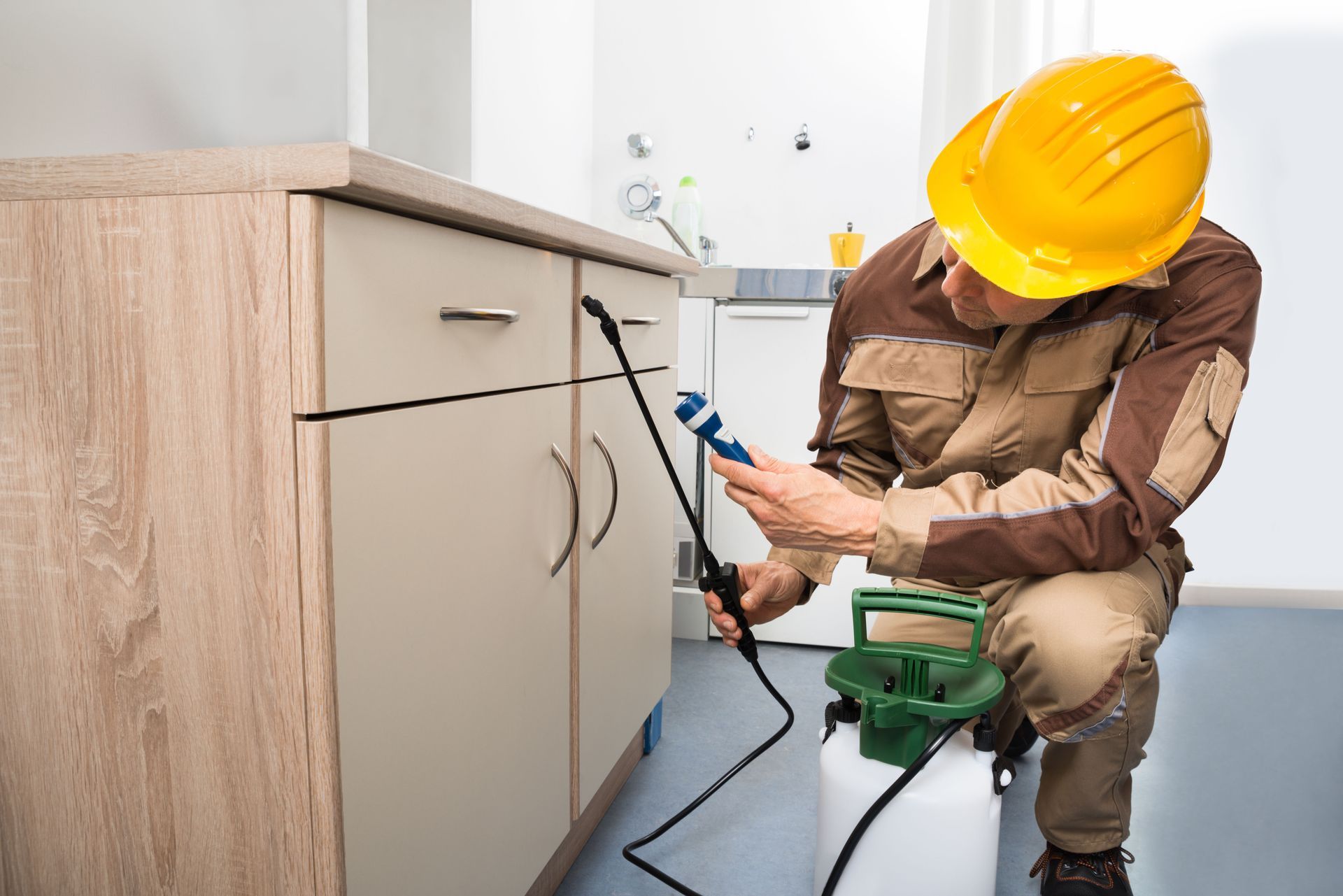
Pest control services encompass a wide range of solutions tailored to specific types of infestations. Chemical treatments remain common for severe or widespread issues, while environmentally friendly approaches, such as integrated pest management (IPM), use minimal chemicals and emphasize prevention and biological control methods. Selecting the right service depends on the type of pests, severity of the problem, and desired results. Professional pest control services can provide personalized recommendations that balance effectiveness, safety, and environmental considerations.
Importance of Preventive Measures
Preventive pest control focuses on addressing potential problems before they escalate into costly infestations. Regular inspections, sealing of entry points, and proper sanitation minimize the risk of pest entry and proliferation. Preventive measures not only protect the structure and contents of your property but also reduce exposure to health hazards associated with pests. Taking a proactive stance creates long-term benefits, making pest control more efficient and less disruptive in the future.
Common Pests and Their Habitats
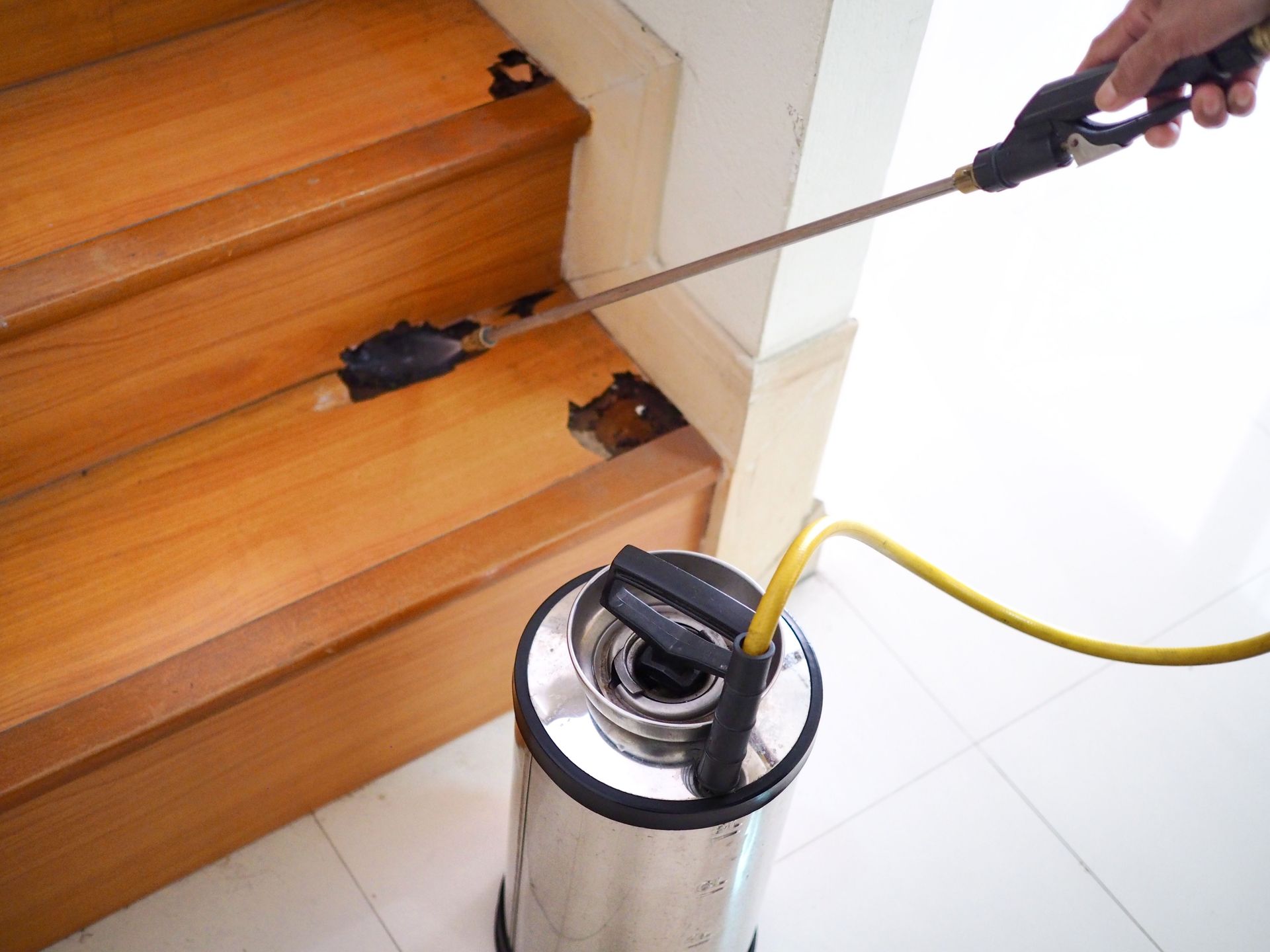
Understanding the habits of common pests is essential for effective pest control. Rodents, ants, termites, and other insects seek out food, water, and shelter. Termites, for example, are notorious for causing structural damage, with repair costs averaging $3,000 per homeowner according to Consumer Affairs. Identifying areas prone to infestations and addressing these vulnerabilities early significantly reduces the likelihood of serious problems and costly damage.
Environmental and Health Benefits of Early Management
Proactive pest management also contributes to environmental protection and improved health. Reducing infestations minimizes the need for heavy chemical treatments, lowering ecological impact. Maintaining a pest-free environment safeguards residents or employees from exposure to disease-carrying pests, while promoting overall wellbeing. Early intervention ensures that properties remain safe, clean, and suitable for habitation or work.
Choosing the Right Service Provider
Selecting a qualified pest control service is critical. Consider the types of pests, treatment methods, costs, provider reputation, and certifications. A reputable provider can customize a plan that aligns with your property’s needs and values, ensuring both effectiveness and peace of mind. Engaging a professional ensures that pest management is executed safely and efficiently, with long-term results in mind.
Assessing Your Property for Potential Pest Issues
Conducting Thorough Inspections
Begin by inspecting your property both inside and out to identify potential pest threats. Look for signs such as droppings, gnaw marks, or water damage that may indicate current or future infestations. Regular inspections allow property owners to track changes over time and implement timely preventive measures. These proactive assessments form the foundation of a robust pest management strategy.
Identifying Vulnerable Areas
Basements, attics, kitchens, and gardens are often hotspots for pest activity. Check for gaps in doors, windows, vents, and foundations. By identifying and securing these areas, you reduce potential entry points and make your property less attractive to pests. Preventive interventions such as sealing cracks and installing barriers significantly enhance protection.
Understanding Seasonal Pest Patterns
Pest activity varies throughout the year. Ants and wasps are more active in warmer months, while rodents seek shelter indoors during colder seasons. Understanding these patterns allows property owners to schedule preventive treatments strategically, ensuring that pest control measures remain effective year-round. Aligning prevention tactics with seasonal behavior enhances the overall success of pest control services.
Evaluating Weather Impacts on Pests
Weather influences pest behavior, breeding, and migration. Heavy rain can increase mosquito populations, while drought may drive rodents indoors. Monitoring weather patterns and adjusting preventive strategies accordingly helps maintain a proactive defense against pest incursions. Anticipating these changes ensures your property remains protected in all conditions.
Developing a Property-Specific Plan
Following assessment, create a comprehensive pest control plan tailored to your property. Address immediate threats while establishing long-term prevention strategies, including regular maintenance, landscaping adjustments, and monitoring. A strategic plan reinforces defenses and maximizes the effectiveness of professional pest control services, ensuring lasting protection against pests.
Creating a Pest-Resistant Environment
Sealing Entry Points
Seal cracks, gaps, and other potential entry points to prevent pests from infiltrating. Regularly check doors, windows, and plumbing lines, applying caulking or weather stripping where needed. Eliminating these access points forms a crucial barrier against infestations, enhancing overall pest resistance.
Proper Food Storage and Waste Management
Store food in airtight containers and dispose of waste regularly to remove attractions for pests. Unsecured food and garbage can quickly invite ants, rodents, and other pests. Implementing proper food storage and sanitation practices complements professional treatments and maintains a clean, pest-resistant environment.
Maintaining Clean and Organized Spaces
Cluttered areas offer shelter and breeding grounds for pests. Keeping living and working spaces tidy, especially attics, basements, and garages, reduces potential hiding spots. Regular cleaning and organization create an environment less conducive to infestations, supporting ongoing pest prevention.
Landscaping for Pest Prevention
Well-maintained landscaping prevents pests from using shrubs, trees, and debris as pathways into buildings. Trimmed foliage, proper drainage, and pest-repelling plants like lavender or marigolds contribute to a barrier that keeps pests at bay. Landscaping choices directly influence the effectiveness of pest prevention strategies.
Using Natural Deterrents
Natural repellents such as essential oils, vinegar, or diatomaceous earth can complement traditional pest control. Strategically placing these materials near entry points and potential problem areas adds an extra layer of protection while avoiding harsh chemicals. Combined with professional pest control services, natural deterrents enhance long-term pest management sustainably.
Hiring Professional Pest Control Services
Researching and Comparing Providers
Evaluate local providers through online reviews, personal recommendations, and service inquiries. Compare methodologies, success rates, and pricing to make an informed decision. A carefully chosen provider ensures safe, effective, and reliable pest management tailored to your property.
Understanding Costs
Service costs vary depending on pest type, infestation severity, and treatment methods. Obtain detailed quotes and ensure transparency regarding additional fees. Recognizing cost structures allows for proper budgeting and informed decisions about investing in long-term pest prevention.
Checking Credentials and Certifications
Verify the licensing, certifications, and training of your chosen service provider. Certified professionals adhere to industry standards and safety regulations, guaranteeing quality and effective treatments. Providers who follow eco-friendly practices further ensure the safety of occupants and the environment.
Preparing Questions for Consultations
Before your initial consultation, prepare questions regarding treatment plans, safety measures, and post-treatment maintenance. Clarifying expectations ensures that the service provider can address your specific concerns and customize the approach for maximum effectiveness.
Reading Reviews and Gathering Recommendations
Customer reviews and personal referrals provide insight into service quality and reliability. Gathering multiple perspectives ensures informed decision-making, helping select a trusted professional for your pest control needs.
Preparing Your Property for Treatments
Communicating with the Service Provider
Clear communication ensures that your service provider understands your property, specific pest concerns, and preferred approaches. Providing detailed information helps tailor treatments to your unique needs and improves the likelihood of successful outcomes.
Organizing and Decluttering Spaces
Remove clutter and organize affected areas for optimal treatment accessibility. Clear surfaces, relocate valuables, and provide open access to corners and hidden spaces to maximize the effectiveness of professional pest control interventions.
Monitoring and Maintaining Pest Control Measures
Regular Follow-Up Services
Engage in regular follow-ups with your pest control provider to maintain effectiveness. Continuous monitoring ensures adjustments are made to address new or recurring pest threats promptly, preserving a pest-free environment.
Educating Residents and Employees
Educate occupants about early signs of infestation and preventive practices. Awareness fosters collaboration, reinforcing property-wide efforts to maintain a pest-free environment and supporting long-term success of pest control services.
Preparing for pest control services is essential for safeguarding property and ensuring long-term protection against infestations. Proactive measures, combined with professional guidance, reduce costs, protect health, and prevent structural damage. Understanding pest behavior, securing vulnerable areas, and maintaining ongoing monitoring creates a robust defense against pests. For reliable, effective, and comprehensive pest control services, contact Leck’s Exterminating today to protect your home or business from unwanted invaders.