April 6, 2026
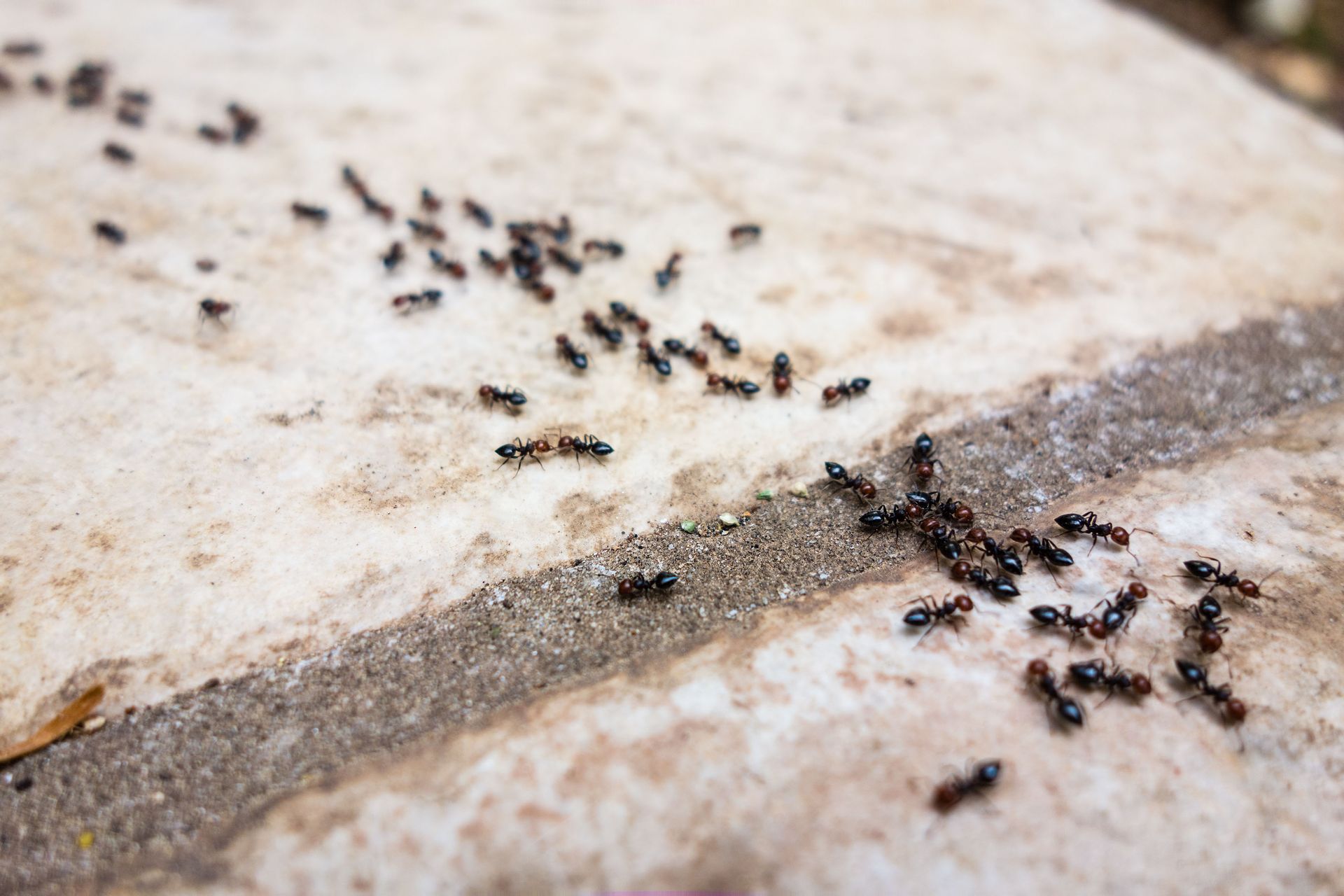
Ants are a common nuisance in many kitchens, capable of infiltrating even the smallest of cracks in search of food. This article explores practical strategies to protect your kitchen from ant infestations, ensuring a clean and pest-free environment. Ant invasions can be particularly frustrating given their persistence and ability to quickly adapt to various environments, especially kitchens that offer ready access to food. According to Workwave, ants are the most common pest in the U.S., affecting 56% of households. Addressing ant problems has become a significant concern for many homeowners, often requiring support from local pest control services. Implementing effective prevention and control measures can drastically reduce ant infestations, allowing for a more enjoyable and safe kitchen area.
Understanding Ant Behavior
Understanding the Lifecycle of Ants
Ants undergo a complete metamorphosis consisting of four developmental stages: egg, larva, pupa, and adult. This process can vary in duration depending on species, environmental conditions, and food availability. Queens are the only fertile members of the colony, laying eggs that can develop into workers or future reproductive ants. Understanding the lifecycle of ants helps identify vulnerabilities during certain stages where control efforts might be more effective. For example, targeting ants when they are in larval or pupal stages can prevent future infestations from maturing into productive, foraging adults, often reducing the need for extensive local pest control services.
Identifying Common Types of Kitchen Ants
In kitchens, some of the most common ant species homeowners encounter include Argentine ants, odorous house ants, and pavement ants. Argentine ants are known for forming large colonies and are particularly attracted to sweet foods. Odorous house ants emit a rotten coconut smell when crushed, making them easy to identify. Pavement ants tend to nest in cracks around sidewalks and driveways, but are often found indoors when foraging for food. Each species has distinct habits and preferences, which influence the methods required for effective control and prevention, sometimes requiring assistance from local pest control services.
Understanding Why Ants Invade Kitchens
Kitchens offer an optimal environment for ants, providing easy access to food crumbs, spilled liquids, and other available supplies. Moisture from sinks and leaking pipes is also a significant attractant, providing ants with necessary hydration. As the most common pests in America, affecting 56% of households, according to Workwave, it's clear that kitchens need targeted prevention techniques. Continuous vigilance, coupled with thorough cleaning practices, can reduce attractants that lure ants into kitchens. Identifying and addressing the specific reasons for ant invasions allows homeowners to make informed decisions about preventative measures or seek help from local pest control services when needed.
Sealing Entry Points
Identifying Potential Entry Points
A critical step in preventing ant infestations is thoroughly inspecting for and identifying potential entry points into your kitchen. Cracks in walls, gaps around windows and doors, and openings around utility pipes provide primary entryways for ants. Paying attention to these areas, particularly in older homes, is essential as wear and tear make structures more susceptible.
Using Caulk and Sealants
Caulk and sealants are highly effective in closing gaps and cracks that could serve as entry points for ants. They provide a long-term solution by forming a solid barrier that stays intact even with exposure to moisture and temperature fluctuations. It's crucial to apply these materials precisely and thoroughly, ensuring all crevices are adequately sealed. Many homeowners opt for silicone-based caulking due to its durability and flexibility, which perform well in various conditions.
Inspecting Windows and Doors
Windows and doors are common ant entry points due to their moving parts and gaps created between frames. Conducting regular checks to ensure these areas close tightly without significant spacing where ants could squeeze through is imperative. Weather stripping can improve closures, contributing to a robust defense against potential infestations. Attention should also be given to any screens, ensuring they are free from tears and that frames remain securely attached. Maintaining a well-protected home environment starts with eliminating vulnerabilities around windows and doors, reducing easy access points for pests.
Maintaining Cleanliness
Implementing Best Practices for Dishwashing
Maintaining a clean kitchen environment is foundational in preventing ant infestations, with dishwashing playing a key role. Dishes should be washed promptly after meals, preventing leftover food residues from attracting ants. Using hot, soapy water enhances the removal of food particles and disrupts potential pheromone trails created by ant scouts. Additionally, cleaning sinks after washing further minimizes the availability of food remnants. A meticulous dishwashing routine forms a part of a broader cleanliness strategy to significantly reduce ant attraction within the kitchen.
Handling Food Waste Correctly
Properly handling and disposing of food waste is essential to mitigating ant infestations in kitchens. Garbage should be consistently removed, preventing overflow and keeping bins secure with tight-fitting lids. Don't let trash accumulate overnight as this attracts ants, especially if bins are accessible both indoors and outdoors. Compost piles should be kept away from kitchen windows and doors to avoid drawing ants near the home. Implementing a systematic approach to managing food waste removes significant attractants that might otherwise encourage ant presence.
Performing Regular Countertop Cleaning
Countertops are frequent sites for ant activity due to spilled ingredients, crumbs, and moisture from food preparation. Wiping down surfaces with antimicrobial cleaners helps eradicate food traces and eliminates pheromone remnants. Attention to details such as clearing sugar residues and sticky spills ensures a less inviting space for ants. Disinfected countertops also play a crucial role in maintaining overall kitchen hygiene. With regular cleaning intervals, you create an environment where ants find minimal appeal, discouraging colonies from targeting your kitchen.
Monitoring and Ongoing Maintenance
Identifying Signs of Ant Activity
Detecting ant presence early prevents the establishment of widespread infestations through vigilant observation of activity indicators. Common signals include ant trails, particularly during early morning or late afternoon when ants are most active. Noting areas with minor residue accumulations or faint pheromone trails on counters and floors helps track potential access routes. Regularly reviewing changes in ant activity and remaining alert to these signs ensures timely intervention if needed. Prompt response reduces robust colony establishment, facilitating easier management and preventative countermeasures.
Conducting Routine Inspections
Scheduled inspections reinforce routine ant-prevention strategies, enabling detailed observation of potential kitchen intrusion points and food storage. Thorough inspections reveal hidden vulnerabilities left unchecked, including small drips or concealed gaps that facilitate access. Combining these assessments with cleaning regimes ensures a cleaner, more secure environment less prone to invasion. Routine adherence to detailed checks across several seasons accounts for changing conditions affecting ant behavior. With strict inspection schedules, consistent kitchen management becomes an integral part of maintaining stress-free, ant-free operations.
Making Seasonal Adjustments and Preparations
Ant activity often fluctuates with the seasons, necessitating conditional adjustments to preventative efforts. Additional sealing or insulation may be required during spring and summer peak movement phases when ants actively forage. Fall and winter preparations involve curbing warmth-related attractants and ensuring no hibernating colonies reside within household lines. Adapting a proactive calendar includes timed checks, increased cleaning, and alternative deterrent measures. With seasonal preparation strategies firmly within routine management, homeowners stay a step ahead of ant agitation throughout varying annual cycles.
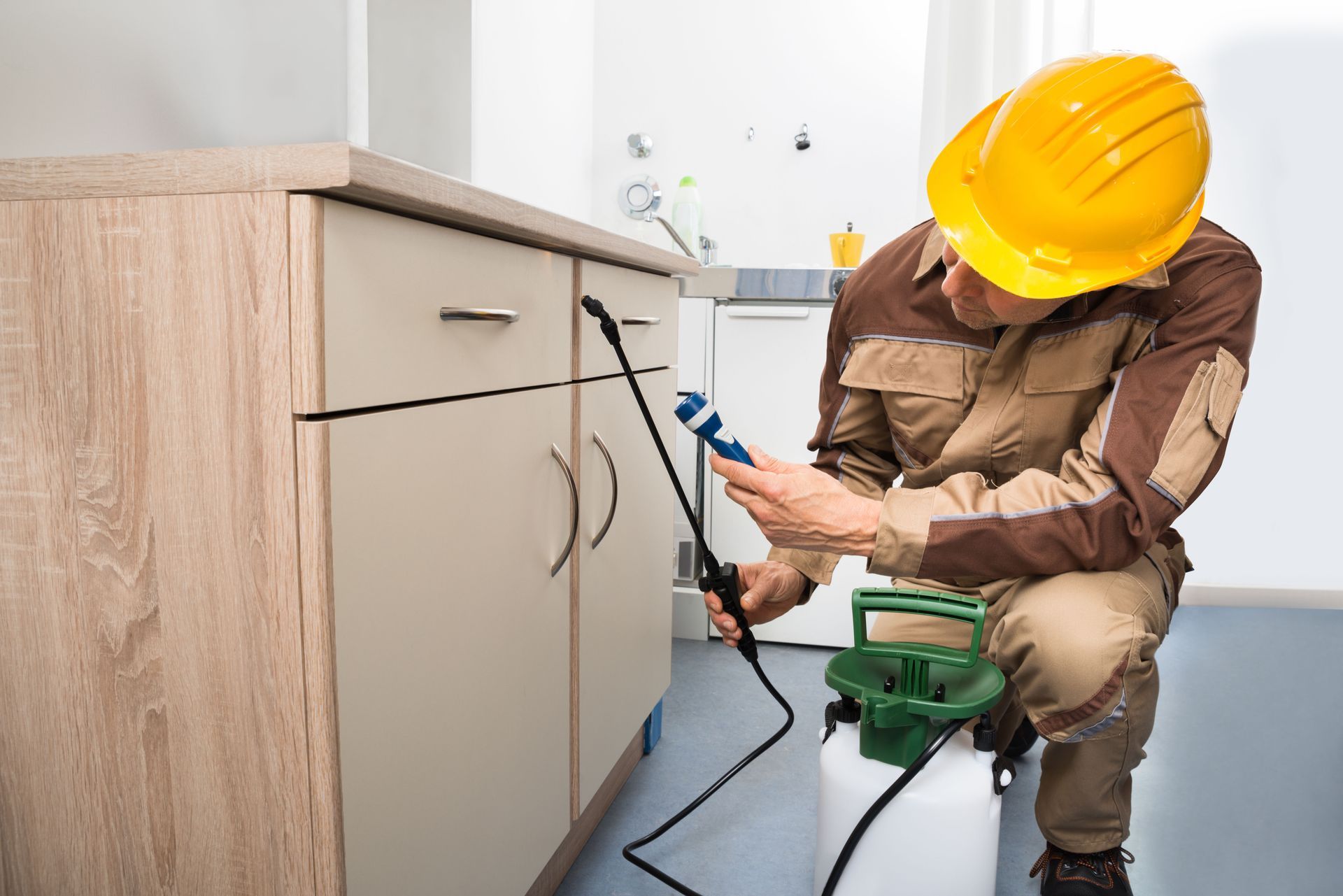
Protecting your kitchen from ant infestations requires a combination of understanding ant behavior, maintaining cleanliness, sealing entry points, using natural and commercial deterrents, and regularly monitoring the situation. Don’t let ants take over your space. Contact Leck's Exterminating today for reliable, professional pest control solutions tailored to your home. Their experienced team is ready to eliminate current infestations and help prevent future ones with trusted local pest control services.